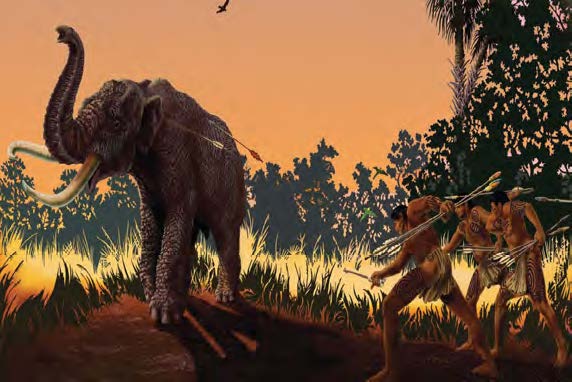
Our state’s history began long before the area was called Florida. When the last Ice Age ended about 12,000 years ago, the first humans began to move down the peninsula. They were hunter-gatherers who moved from place to place, searching for food and fresh water. At that time, Florida had little rainfall, so fresh water was difficult to find.
Early Paleoamericans did not leave written information about their lives. Archaeologists study artifacts encountered attheir abandoned villages and campsites to reveal how Florida’s ancient people lived. Artifacts are tools or items made or altered by man.
Important clues about Florida’s ancient people are found in shell mounds created when early tribes ate shellfish and tossed the shells into piles, or mounds. These mounds are also called middens, which are trash or garbage heaps. Other mounds were used for rituals or burials. By researching these mounds and their contents, archaeologists learn about the everyday life of ancient people: what foods they ate, what tools they used, and what other items they made. Sometimes European goods are found at the sites, which tells us that native peoples traded with European settlers or collected items from ships wrecked along Florida’s coast.
Thousands of native peoples lived in Florida when European explorers first arrived in the sixteenth century.Sadly, within 200 years, most died from European diseases or were killed in warfare. Some were taken away as slaves.

Florida’s Tribes
When Spanish and French explorers began arriving in Florida in the sixteenth century, they encounteredseveral native tribes. The Pensacola, Chatot, Apalachee, and Timucua tribes lived in northern Florida. The Tocobaga and Jororo tribes lived in central Florida. The Ais, Jeaga, Mayaimi (Belle Glade Culture), Tequesta, and Calusa made their homes in southern Florida. Lastly, the Matecumbe lived in the Florida Keys. It is important to understand the lives of the Native Peoples who lived in south Florida, so we can better understand state and county history.
The Ais
The Ais lived along the east coast of Florida from the area near Cape Canaveral in Brevard Countysouth to Martin County. They did not farm their food but relied on fishing, collecting shellfish, hunting, and gathering plants. They took gold, silver, and othergoods from Spanish shipwrecks and used them for tools and jewelry. For weapons, the Ais used bowsand arrows, spears, knives, and hatchets. They made canoes from tree trunks. The men grew theirhair long and might have worn animal hides or breechcloths of woven plant fibers. Women worewoven palm leaves and skirts made from plant fibers. Their houses were made from palm fronds.According to Jonathan Dickinson, a shipwrecked Englishman, the cacique’s (leader’s) house was “about forty foot long andtwenty-five foot wide, covered with palmetto leaves both top and sides.”
The Jeaga
The Jeaga lived along the coast of Palm Beach County. Like the Ais, they were hunter-gatherers thatate game animals such as deer. They gathered coco plums, seagrapes, and palm berries. They caught food such as fish, shellfish, and sharks from the sea, freshwater lakes, and rivers. The Jeaga from the village of Hobe, who are sometimes referred to as Hobe Indians, captured the passengers and crew of the English ship Reformation. It was wrecked just north of present-day Jupiter while traveling from the island of Jamaica to Pennsylvania in 1696.The Jeaga held the survivors for several weeks and then released them, to journey 230 miles to reachsafety at St. Augustine. During their travel north along the east coast of Florida, the Englishmen encountered a variety of different native tribes. One passenger, Jonathan Dickinson, wrote a book describing theland and the natives, including the Jeaga and the Ais.
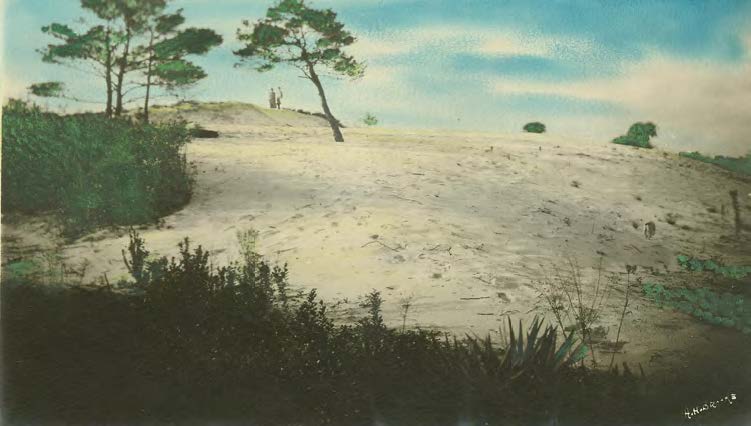
Dickinson wrote that the Jeaga lived in the village of Hobe atop a large shell mound near Jupiter Inlet. Their wigwam- style homes were made of poles stuck into the ground that created an arch, which they covered with palmetto leaves. Part of their shell mound still stands across from Jupiter Inlet Lighthouseand overlooks Jupiter Inlet. In 1898, the DuBois family built their home on the mound, which became part of DuBois Park, open to the public.
The Tequesta
The Tequesta lived in villages in what became southern Palm Beach, Broward, and Miami-Dade counties. They wore clothing of animal skins, woven grass, or Spanish moss and, as hunter- gatherers, traveled by canoe to search for food. They ate deer, alligator, turtles, and other animals. From the ocean, the Tequesta caught and gathered fish,oysters, clams, conchs, lobsters, and other seafood. They also gathered plants and roots to eat.They probably lived in palm- thatched homes.
The Miami Circle
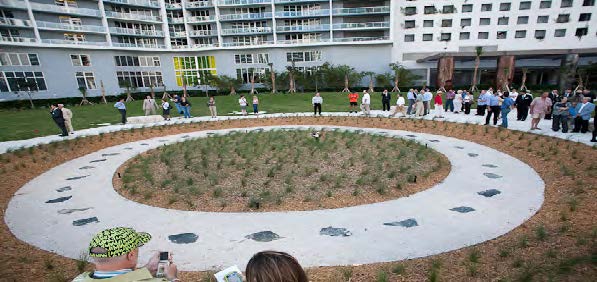
The 1,800-to-2,000-year-old Miami Circle at Brickell Point in Miami was discovered in 1998 when archaeologists investigated the site prior to construction of a multi-story apartment complex. This unique circle has twenty-four large holes and many smaller ones carved into limestonebedrock. The diameter of the circle measures thirty-eight feet. Ceramics, animal bones, shells, and stone axes were part of the approximately 143,000 items discovered in the circle area. It was part of the main Tequesta village on the south side of the mouth of the Miami River. The Miami Circle may have been a council house or ceremonial structure. It is a designated National Historic Landmark and in 2011 opened as a public park. Since its discovery, several morecircles have been discovered in the heart of downtown Miami.
The Calusa
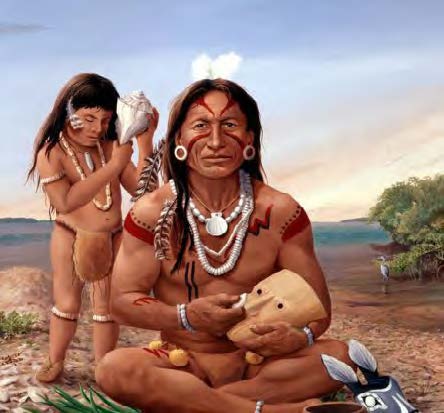
The Calusa lived on the southwest coast of Florida, along inland waterways, and along the Caloosahatchee River, which means river of the Calusa. The Calusa, which means fierce people,targeted Spanish conquistadors, even attacking their ships anchored offshore. This tribe is responsible for wounding Spanish explorer Juan Ponce de León in 1521, causing his death.
The Calusa were excellent seamen and traveled as far as Cuba in canoes made from hollowed-outcypress logs. They also collected treasure from shipwrecks up and down the coast.
Members of this tribe built their homes on stilts with roofs of palmetto leaves. Like most southFlorida tribes, the Calusa did not farm, but hunted animals such as deer. They also fished for mullet, catfish, turtles, and eels and ate shellfish such as conchs, crabs, clams, lobsters, and oysters. The Calusa made shell-pointed spears for fishing and hunting. They used many types of shells, bones, and shark teeth for tools and jewelry.

The Belle Glade Culture
The prehistoric people of the Belle Glade Culture, or Mayaimi, lived around Lake Okeechobee and along the Kissimmee River Valley north to Lake Kissimmee. They flourished from about 500 BC to AD 1700.Archaeologists named this culture Belle Glade, after excavating a site in Belle Glade in 1934. The potteryrecovered was distinctive enough to earn them a separate name from other native peoples in Florida.
These People of the Water adapted to a watery world; canoes were the main means of transportation. They built unique villages that included earthworks, mounds, and canals. They made hunting and fishing tools from bone, shell, and wood.
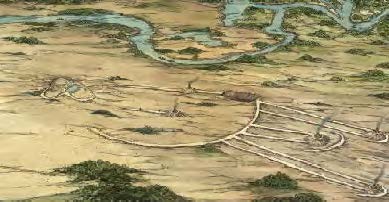
This group built large earthworks that dot the Lake Okeechobee region and usually include a combination of mounds, ditches, burrows, and embankments. Belle Glade earthen structures are found in all sizes and shapes.Some of the more impressive sites are found in savannahs, mostly along creeks. The mounds were used for housing, burials, and as architectural elements.
While the men hunted wild animals and fished, the women gathered plant foods such as pondapple, coco plum, sea grape, nuts, berries, and roots. The poisonous berries of the coontie plant required special processing, before it was made into flour for bread.
Ancient Sculptures
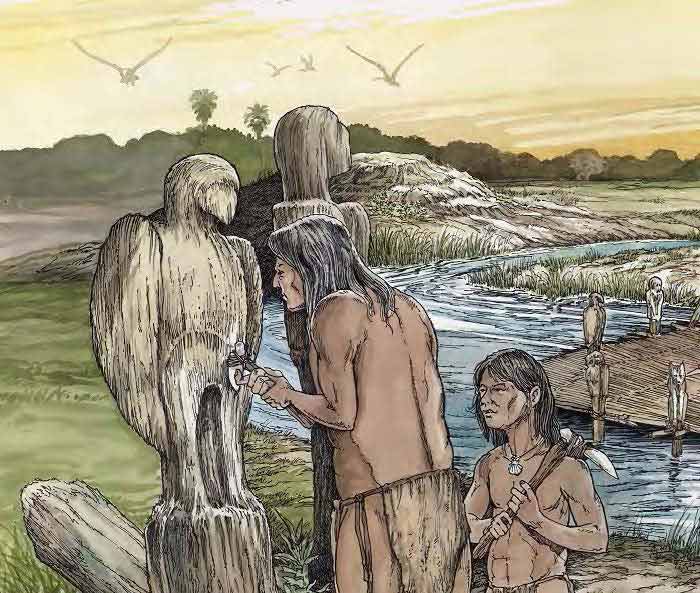
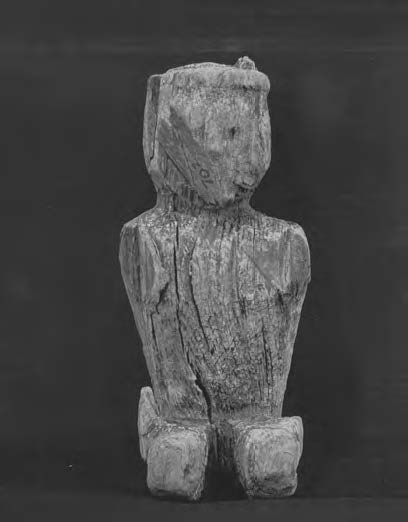
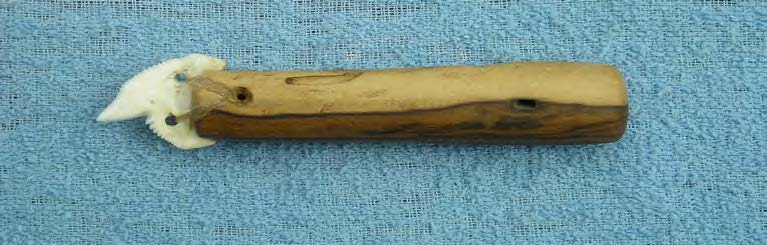
In 1928, engineer Karl Riddle discovered a small carved cypress statue while working on roadconstruction near Pahokee, on the east side of Lake Okeechobee. The human effigy is one of only a few found in south Florida and is believed to represent a shaman, leader, or ancestor. Belle Glade Culture artisans were expert woodworkers. Woodworking tools that may have been used to create the figure include shark teeth attached to a wood or bone handle. Early south Floridians also commonly used barracuda jaws and teeth, shells, and stingray spines for tools. Archaeologists recovered two other human effigies at the Belle Glade mound site during the 1930s. The Riddle effigy is now on display at the Richard and Pat Johnson Palm Beach County History Museum.
Ancient shell mounds
Ancient shell mounds, or middens, were once numerous along Florida’s coastline. Large shell middens were formed over hundreds of years and were composed mainly of discarded shells but also of animal bones, broken pottery, stone and shell tools, and other items. Shell middens provide archaeologists with a window into the past.
They can reveal the types of animals and fish that people ate, the tools they created and used. Most of the shell mounds are now gone. They were destroyed inthe twentieth century to make way for development.
By the eighteenth century, most of Florida’s native tribes were gone from European diseases,warfare, and slavery. They were replaced by groups from Georgia and Alabama, known generally as Seminoles and Miccosukee.